Organization as a Lifestyle: A Practical Guide to a Calmer, More Organized Life
Have you ever felt that clutter has become a daily burden in your life, no matter how much you try to organize your belongings or follow organizing advice? Do you find yourself wasting energy searching for misplaced items, or feeling like your home quickly returns to its old state after every attempt to organize?
The truth is, organization is not a temporary task or a set of stylish tools we buy. It is a complete lifestyle. When organization becomes a daily habit, clutter begins to fade gradually, and you gain both peace of mind and extra time to spend on what truly matters to you. In this article, we will explore practical steps, inspiring ideas, and real life examples to help you turn organization into a lasting and effortless part of your life. Keep reading and discover how small changes can make a meaningful difference.
Order Starts Here: Assigning a Place for Every Item
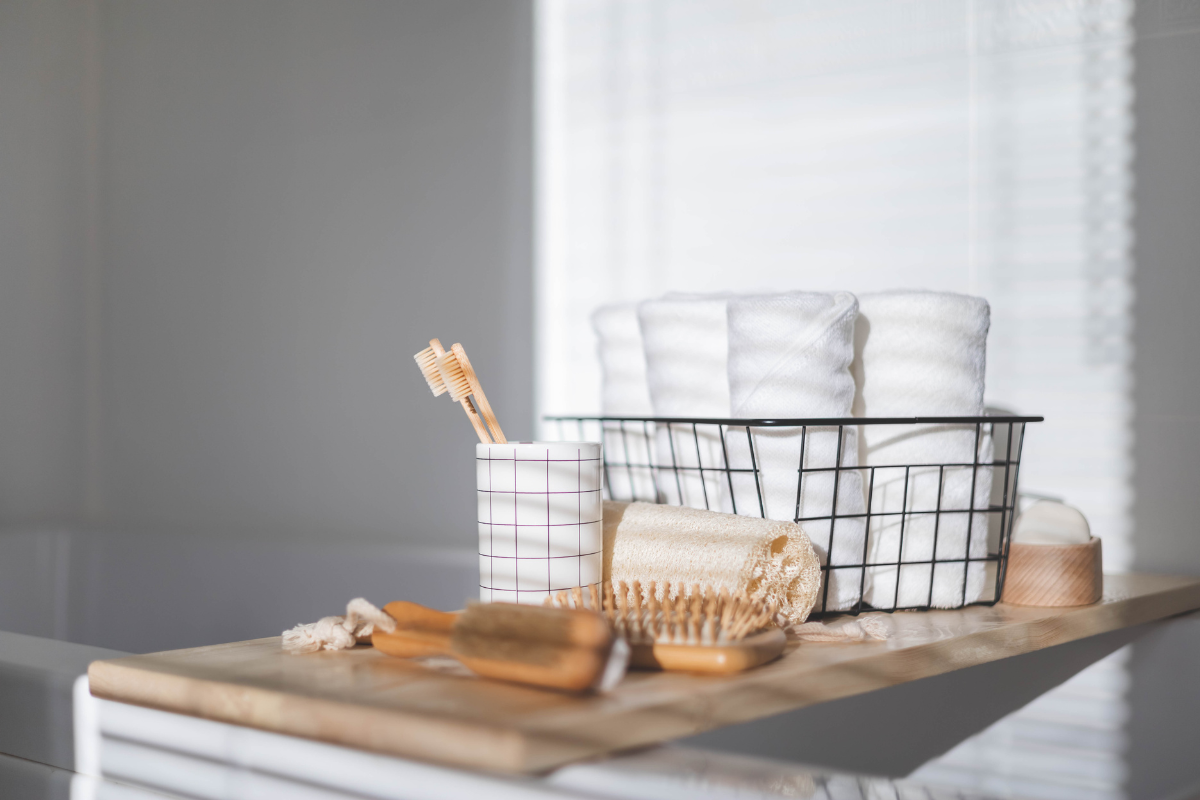
Have you noticed how some of the most stressful moments in your day begin with a missing item? A key, a charger, or an accessory you are searching for at the last minute before heading out. These small details consume far more time and energy than we realize. The solution is not more boxes or drawers, but one simple habit that makes a big difference: giving every item a clear and permanent place to return to.
When you get used to putting things back after using them, your home becomes calmer and more harmonious. Those rushed, confusing moments in the morning slowly disappear. Imagine starting your day knowing exactly where everything is. That is real organization. Simple habits that offer peace of mind and daily stability.
Start with one small step today. Choose a single item that often goes missing and assign it a fixed place. This is where real change begins.
A place for everything, and everything in its place. —Inspired by Benjamin Franklin
How to Stop Clutter Before It Starts
Have you noticed how small tasks quietly pile up until they suddenly turn into clutter that disrupts your day? The issue is rarely laziness. More often, it is the belief that these details are “too small” to deal with right now. This is where a simple idea makes all the difference: the two minute rule. If a task takes less than two minutes, do it immediately. Put the cup back after your coffee, hang your coat instead of leaving it on the sofa, and place your keys in their usual spot.
These small actions create a powerful impact over time. Each time you follow this rule, your home becomes more organized without any extra effort, almost as if order is forming naturally around you. This is why the rule is used not only at home, but also by professionals and students who want to keep their environment clear and their minds focused on what matters most.
Take a moment now and ask yourself: what small task could you complete right away that would give you an instant sense of relief?
If a task takes less than two minutes to complete, there is no better time than now. — Inspired by David Allen
Flexible Routines: Finding Balance Between Order and Freedom
Many people believe that routines limit freedom and stifle creativity. In reality, a flexible routine gives you more freedom in managing your day and reduces the stress that comes from disorder. Comfort does not come from adding more steps, but from keeping systems simple and consistent.
Morning habits can prepare you for a productive day, while evening rituals help you unwind and reset. An effective routine does not require complexity or perfection. It simply needs consistency and the ability to adapt. Think of your routine as a quiet shield that brings stability and calm amid daily responsibilities. Try something small, like laying out your clothes for the next day or preparing your bag before bed, and notice how much smoother your mornings feel.
Question: What simple routine would you like to add to help you start or end your day with a sense of calm?
A daily routine does not make your life boring. It gives you freedom. — Inspired by Austin Kleon
To Do Lists: The Bridge Between Intention and Action
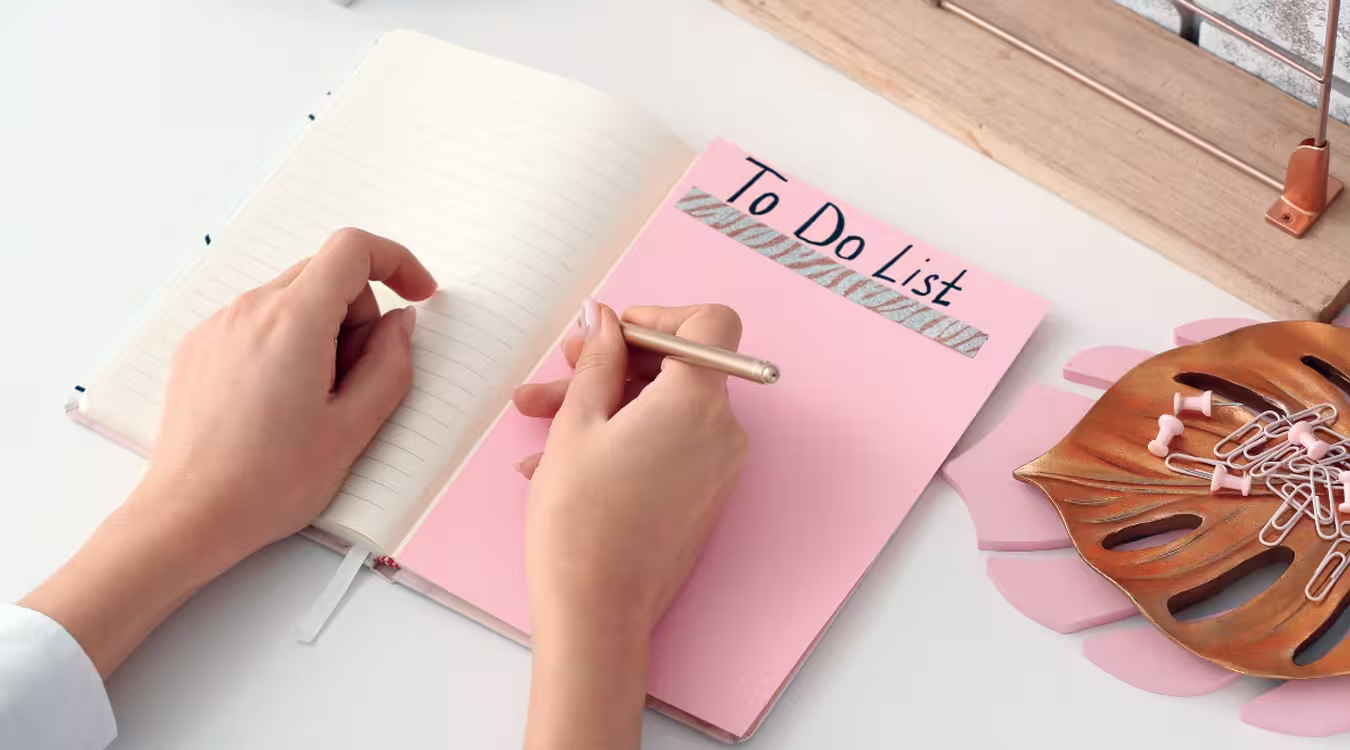
Some days feel full of postponed small tasks. You intend to get things done, yet time passes and little actually happens. This is where the power of lists becomes clear. Whether written neatly on paper or saved digitally on your phone, lists bring clarity to what needs to be done and free your mind from the constant effort of remembering.
When you write things down, mental clutter turns into clear, manageable steps. Each task you cross off becomes a real sense of progress. Whether you prefer a traditional planner or digital tools like Notion or Todo list, what matters most is choosing a system that feels accessible and easy to update.
A gentle reminder: Face mental clutter with structure. A list is not a burden. It is the beginning of mental clarity.
What is written gets done. — Inspired by Gretchen Rubin
Regularly Letting Go of What You No Longer Need
Clutter is not only about scattered items on surfaces. It is a mental load you may not notice until you begin to release it. Every item you no longer use quietly takes up space in your mind and interrupts mental clarity. Adopting a regular habit of letting go makes a meaningful difference.
Sort your belongings into three simple categories: what you keep, what you can donate, and what should be released completely. Many charity apps and organizations now make donating far easier than expected. You can also follow the one in, one out rule to keep your home feeling balanced and light. Simplifying is not just about organizing your space. It is about freeing your mind and energy along with it.
Question: What is the least used item in your home that might be ready to be donated?
The things you own eventually take ownership of you. — Inspired by Cortney Mitchell
The Art of Smart Storage in Simplifying Everyday Life
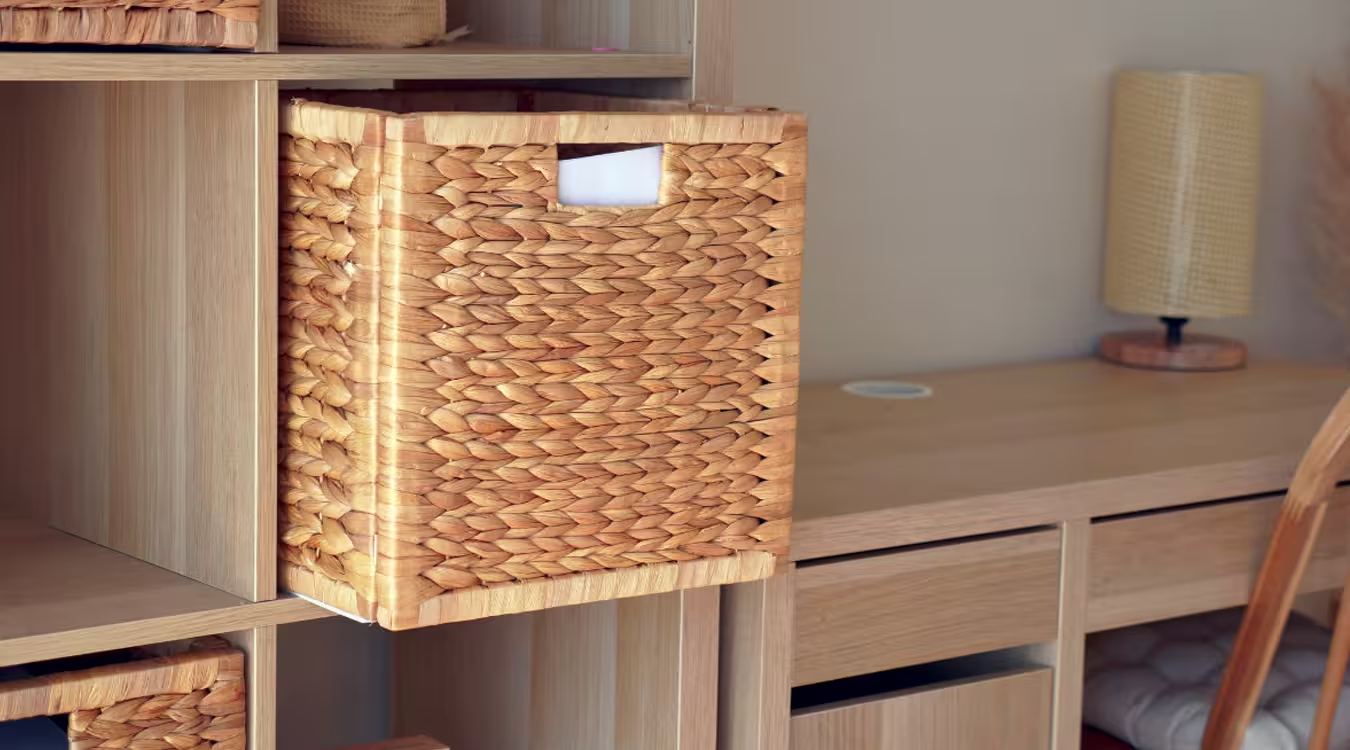
Sometimes, the issue is not the number of items you own, but how they are distributed or stored. The solution is not always to reduce, but to simplify access. Using smart storage solutions, such as divided boxes, transparent containers, or dedicated drawers, can make a noticeable difference in how clear and easy your space feels to use.
Organize your items in a way that truly supports you. Keep what you use daily within reach, such as storing spices in clear containers that make cooking easier and faster. Turn overlooked or unused areas into functional spaces through simple, creative solutions. Do not hesitate to try different systems until you find what works best for you and your family. A gentle reminder: treat smart storage as part of your lifestyle, not a temporary decision.
Question: Which space in your home feels consistently crowded, and how could you transform it into a more organized area with a smart adjustment?
Organization is an art, and smart storage is part of its creativity. — Inspired by a common English saying
Organization as a Family Partnership: Built Together
Home organization is not an individual task. It is a shared culture that strengthens cooperation and responsibility within the family. When everyone takes part in organizing shared spaces, organization shifts from a temporary chore into a collective habit that reflects teamwork.
Assigning tasks based on age creates a healthy balance between effort and responsibility. It also teaches children from an early age that order plays a role in everyone’s comfort. Over time, you may notice how family bonds grow stronger when organizing the home becomes a shared activity rather than a burden placed on one person. Teach children and younger siblings that organization is not a punishment, but a form of participation and care. This helps them grow up seeing order as a way of respecting themselves and others.
Question: What small task could you involve a family member in today so you can experience a stronger sense of teamwork together?
Progress may be limited alone, but shared effort makes greater achievements possible. — Inspired by Helen Keller
Rest as Fuel for Productivity: Moments That Recharge Your Energy
In the rush of daily life, many of us forget that rest is not a luxury. It is a necessity for maintaining organization and productivity. Constantly focusing on completing tasks without allowing space to pause leads to exhaustion and can slowly pull us back into cycles of clutter and overwhelm.
Make room each day for moments of rest, whether it is enjoying your favorite cup of coffee, practicing a hobby you love, or connecting with friends without guilt. These moments help recharge your inner energy and positively affect your ability to manage your home and daily responsibilities. Think of rest as an essential part of success, not an exception to it.
Question: Amid all your responsibilities, do you allow yourself a moment of real rest that you truly deserve?
Almost everything works better after a short pause, including you. — Inspired by Anne Lamott
In the end, organization is not a temporary task we turn to only when clutter builds up. It is a lifestyle we create step by step through simple daily habits and conscious decisions that support both comfort and productivity. When every item has its place, smart storage solutions are in place, routines remain flexible, lists guide our days, and excess is gently let go of, we begin to see how organization frees our energy and brings more clarity and ease into our lives.
Involving family members and valuing moments of rest remind us that organization is a shared and evolving experience. It grows with time and supports a life that feels more balanced and fulfilling. Remember, perfection is not the goal. Consistency, flexibility, and appreciating the results of order matter far more. Every good habit you build today is a seed for calmer and more successful days ahead.