
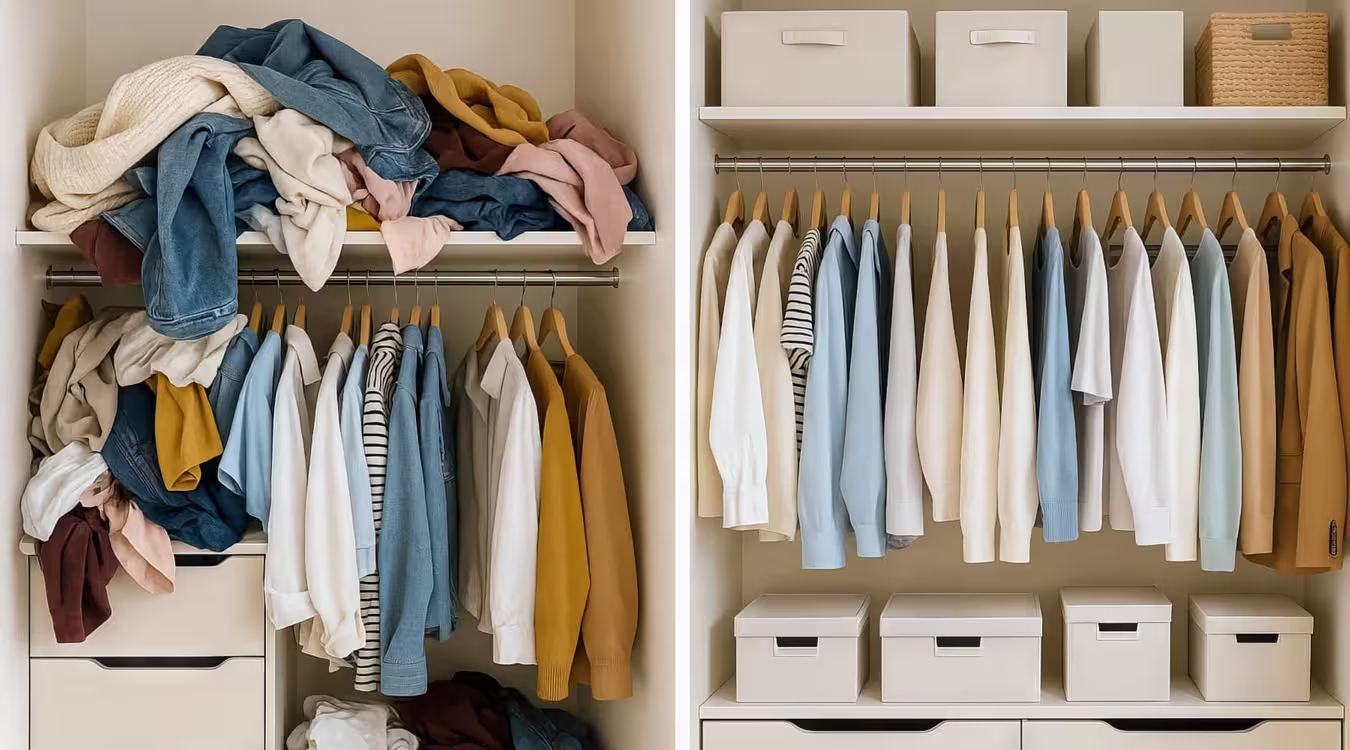
Sometimes, keeping your home consistently clean and organized can feel overwhelming, especially when your days are already full. It can seem like something that needs long hours and constant effort. The good news is, it does not. You do not need to dedicate large blocks of time every day just to keep your home in good shape.
In reality, many of the habits that help keep a home organized take only two to five minutes. They may seem small or unimportant at first, but when they are done regularly, they make a real difference. Not just to your space, but to the way your day flows and how your home feels. With consistency, these small habits quietly move you closer to a home that feels calmer and less cluttered.

Why Home Organization Habits Matter in Managing Daily Tasks
Home organization is not just about aesthetics. It is a practical need that directly affects your everyday life. When your home is organized, it positively influences your relationships, how you manage expenses, your family life, and both your mental and physical well being. A well organized space supports a more balanced and manageable daily routine.
- Reducing Stress: Clutter in your surroundings can quietly increase feelings of stress and unnecessary anxiety. When your home feels disorganized, your mind often feels the same way. An organized home, on the other hand, creates a sense of calm and allows you to enjoy moments of rest and mental clarity.
- Increasing Productivity: When everything has its place and is easy to find, you naturally save time and energy. This makes it easier to focus on important tasks instead of wasting time searching for items. Home organization supports better focus and helps you complete daily tasks more efficiently.
- Improving Quality of Life: An organized home helps create a comfortable and supportive environment that enhances your everyday experience. Small organizing habits make your space easier to live in and contribute to a lifestyle that feels calmer, lighter, and more enjoyable.
The beauty of adding small organizing tasks to your daily routine lies in how simple and effective they are. When done consistently, they prevent clutter from building up and help you avoid feeling overwhelmed. Over time, these small habits strengthen your sense of order, cleanliness, and comfort within your home.

Habit Books and Their Impact on Home Organization
Habit focused books offer practical guidance in building an organized home and creating a more intentional way of living. They help shape structured routines that bring harmony and balance to the home environment. Among the most influential books in understanding habits are Atomic Habits by James Clear and Tiny Habits by BJ Fogg.
These books present research based strategies that can be applied across many areas of life, including home organization. When adapted thoughtfully, their ideas support better habits that improve daily life and help create a home that works for the needs of the entire family.
- Small Habits: Small habits focus on making simple changes that lead to meaningful progress over time. For example,
- if a task takes less than two minutes, it is best to do it immediately.
- Assigning a specific place for every item in the home and returning it after use is another small habit that prevents clutter from building up.
- Repetition: Repeating daily habits helps turn them into routines. When you consistently remind yourself to put things back in their place after using them, this behavior gradually becomes automatic. Over time, these repeated actions form the foundation of an organized lifestyle.
- Motivation: Creating a simple reward system can make organizing more enjoyable. After completing an organizing task, reward yourself with something you enjoy, such as a coffee with a friend or a quiet moment to relax on your own. These small incentives help reinforce positive habits and make consistency easier.
When these principles are applied, their positive effects begin to appear gradually in how you manage your home. This impact often extends beyond your space and into other areas of life. Feeling in control of your surroundings creates a sense of balance, leading to a more organised and steady way of living.
Core Principles and Key Concepts
The Concept of Effective Habits in Home Organization
When we talk about effective habits in home organization, we are referring to a set of sustainable behaviors that make organizing feel easier and more manageable. These habits are built on the idea that small changes can lead to noticeable results over time. Here are a few practical habits that support this approach:
- Daily Organization: Make it an automatic habit. For example, after returning from the gym, take just two minutes to organize the items you used. Empty your gym bag, place your clothes in the laundry basket, and reset the space. These small daily actions prevent mess from building up and keep your routine light and effortless.
- Assign a Dedicated Space for Every Item: Make sure every item in your home has a specific place it belongs to once you are done using it. This simple habit reduces mental load by eliminating the need to remember where things might be. It also saves physical effort by avoiding unnecessary searching around the house.
- Regular Review: Stay aware of what you own by taking time every now and then to review your belongings. During this process, donate items you no longer need. This helps reduce clutter and creates space for the things you truly use and enjoy.
The Role of Self Discipline in Maintaining an Organized Home
While small habits and their positive effects play an important role in shaping our daily lives, self discipline is what helps sustain these habits over the long term. Without it, clutter is likely to slowly return. Below are a few practical ways to strengthen self discipline when it comes to home organization.
- Setting Clear Goals: When you define clear and specific goals for organizing tasks, it becomes easier to set priorities and understand what can realistically be achieved within the time you have. For example, should you reorganize your wardrobe or focus on the laundry room? Having a clear goal keeps you focused and motivates you to take action.
- Building a Routine: Create a schedule that fits your lifestyle and responsibilities, with dedicated times for cleaning, organizing, or tidying your home. You might choose to set aside one day a week for a deeper clean, or dedicate thirty minutes each day to organizing different rooms. A consistent routine makes organization feel more manageable.
- Long Term Commitment: Remember that positive habits require repetition and effort. It may feel challenging at first, but with time, these habits naturally become part of your daily routine. Consistency is what turns effort into ease.
By combining simple habits with self discipline, you can create an organised environment that supports your mental comfort and improves your overall quality of life. Be patient with yourself, and you will begin to notice gradual and lasting change over time.
Effective Strategies Inspired by Habit Books
Home Space Organization Strategies
Successful space organization strategies are often based on principles inspired by habit focused books. These approaches aim to make daily life easier and more manageable. Below are a few practical ideas you can apply to improve order within your home spaces.
- Start Small and Simple: Begin by organizing a small area, such as a single drawer or a coffee corner, instead of trying to organize an entire room or the whole house at once. Breaking the task into smaller parts reduces mental pressure and makes the process feel lighter and less overwhelming.
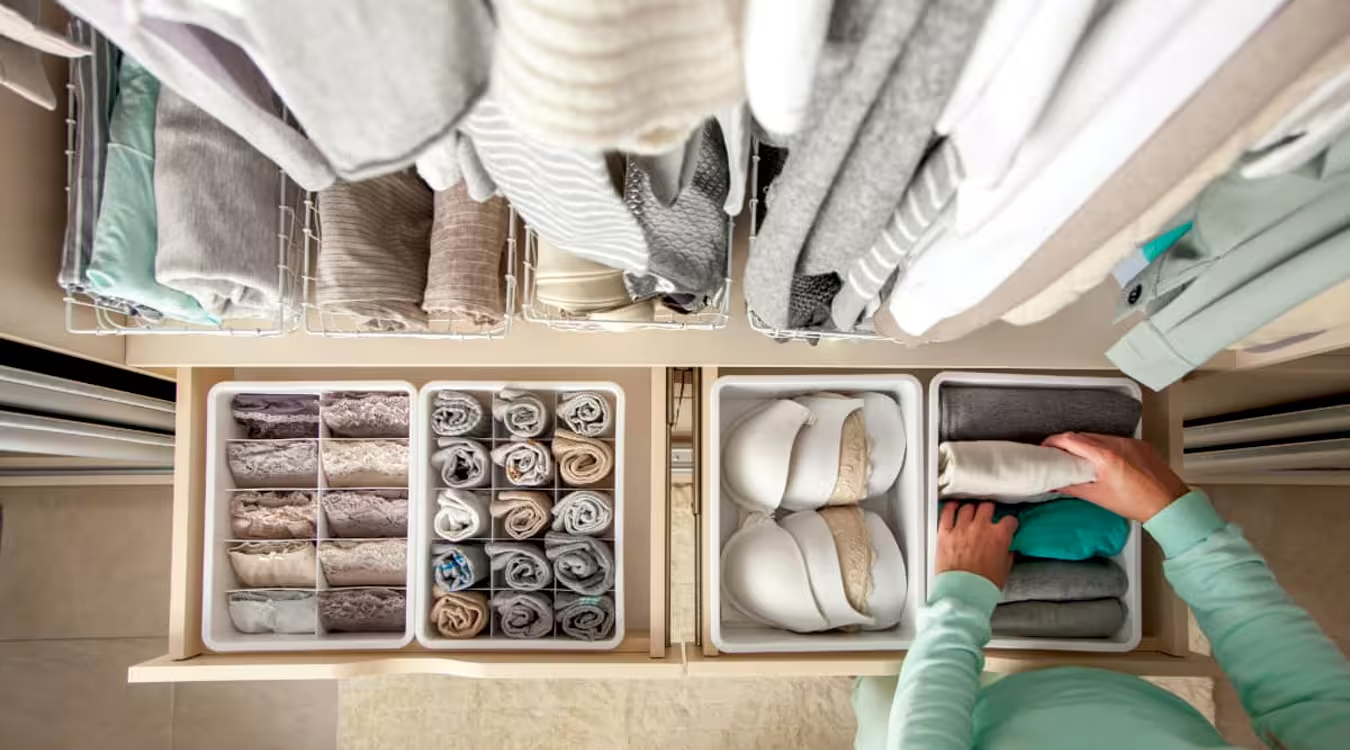
- Use Categories: Group similar items together. This makes spaces easier to manage and maintain. For example,
- Organize books by category such as cooking, religious, or history and place them on separate shelves.
- Arrange kitchen tools based on their function or usage within the same cabinet.
- Sort clothing and accessories by season inside wardrobes to keep everything clear and accessible.
- Smart Storage Solutions: Explore smart and practical storage options. Use transparent containers to easily see what is inside, or storage boxes with wheels that can be placed under the bed. These solutions help maximize space while keeping items organized and easy to reach.
- Decluttering Unnecessary Items: As you organize any space, make it a habit to collect items you no longer need in a dedicated box for donation. It can also help to keep a simple list of items you have not used for a long time. From there, decide whether to give them to someone who may need them, donate them, or let them go based on their condition and purpose.

Effective Time Management and Schedule Organization Methods
After organizing your home spaces, managing your time becomes an essential part of maintaining that order. There are several practical methods you can use to improve how you plan and structure your daily tasks.
- Time Blocking: You can use time blocking to organize your tasks more effectively. Try dividing your work time into short, focused sessions, such as twenty five minutes dedicated to one task, followed by a five minute break. After completing four sessions, take a longer break of up to thirty minutes. You can always adjust the balance between work and rest depending on the nature of the task and your energy level.
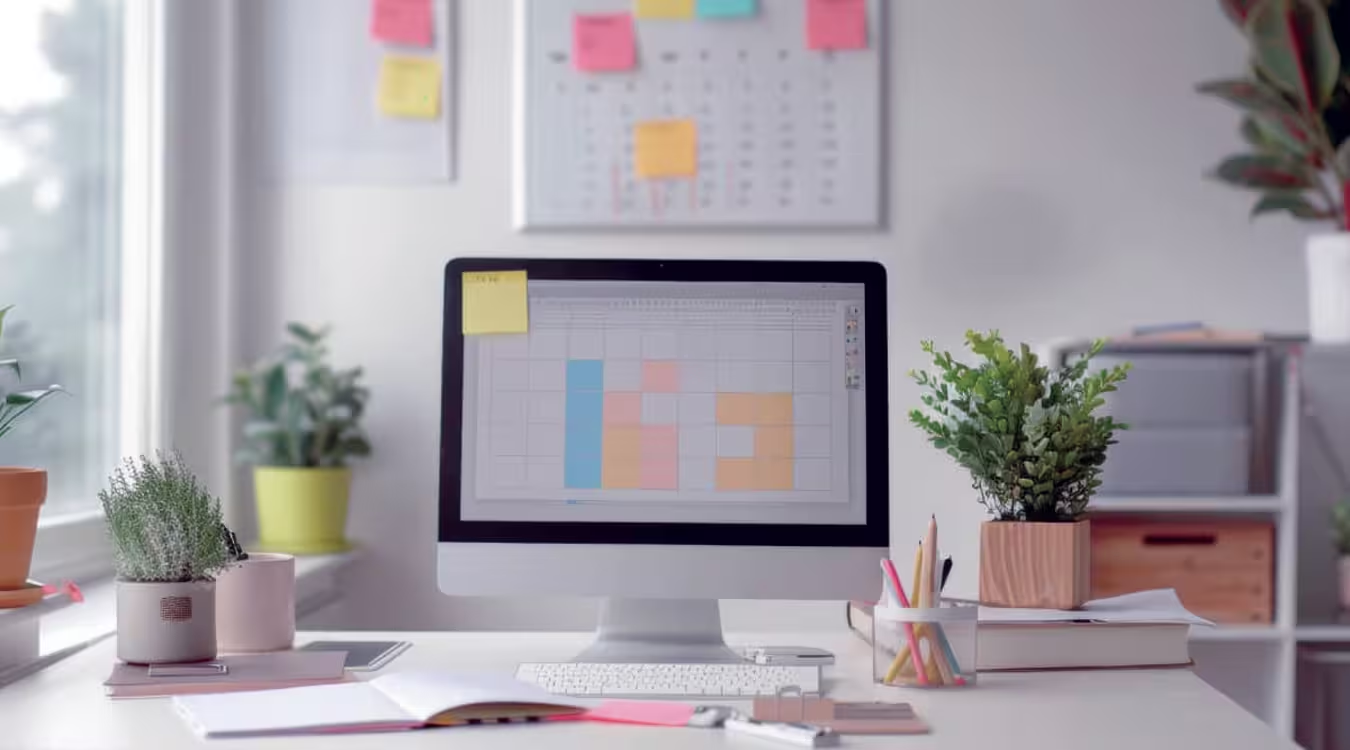
- Creating a Time Based Plan: Set up a weekly schedule to distribute your tasks clearly. You might assign one day to organizing the laundry room and another to sorting wardrobes. Using your calendar as a reminder helps keep these tasks visible and easier to follow.
- Preparing a Daily Task List: Either the night before or in the morning, write down the tasks you want to complete during the day. Arrange them by priority and focus on three main tasks. This list acts as a simple roadmap that guides your day and keeps you focused.
- Weekly Maintenance: Dedicate part of your day off to checking and maintaining areas that need regular attention. This gives you time to address any clutter or disorder before it builds up and affects the overall system of your home during the week.
By adopting these strategies, you can organize your home more effectively while freeing up time for yourself and your family. Over time, this leads to a calmer, more balanced, and more comfortable daily life.
Inspiring Ideas to Maintain Long Term Organization at Home
To achieve sustainable organization in your home, here are a few ideas worth keeping in mind. These simple approaches help prevent clutter from returning and make organization easier to maintain over time.
1. Regular Review
Set aside time every few months to review your belongings and reorganize where needed. Whether it is your wardrobe, electronic devices, or beauty and self care items, regular reassessment helps prevent clutter from building up and keeps your space aligned with your current needs.
2. The One In, One Out Rule
Whenever you bring something new into your home, whether for personal use or household needs, consider letting go of one existing item. This principle helps manage the number of items you own, maintain order, and reduce unnecessary clutter.
3. Create a Family System
Make home organization a shared responsibility. Involve other family members in organizing habits and decluttering routines. You can turn it into a simple activity by setting small challenges, offering motivating rewards, or choosing specific times to tidy rooms together.
4. Self Motivation
When you achieve organizing milestones, reward yourself with something you enjoy, such as spending time with friends or watching an episode of your favorite show. Using rewards as motivation helps reinforce positive habits and keeps you engaged.
Home organization is not a task you finish once and move on from. It is a lifestyle you can build, one step at a time. With time and practice, these small habits naturally become part of your daily routine, creating a home that feels calmer and more comfortable to live in.
You will no longer wonder how some homes stay organized. You now have the strategies, and you understand the role of daily routines and small habits in keeping your space tidy and elegant in a way that fits your lifestyle and supports your family. Remember, every small step toward lasting organization is an achievement on its own.